About Dr. Chen
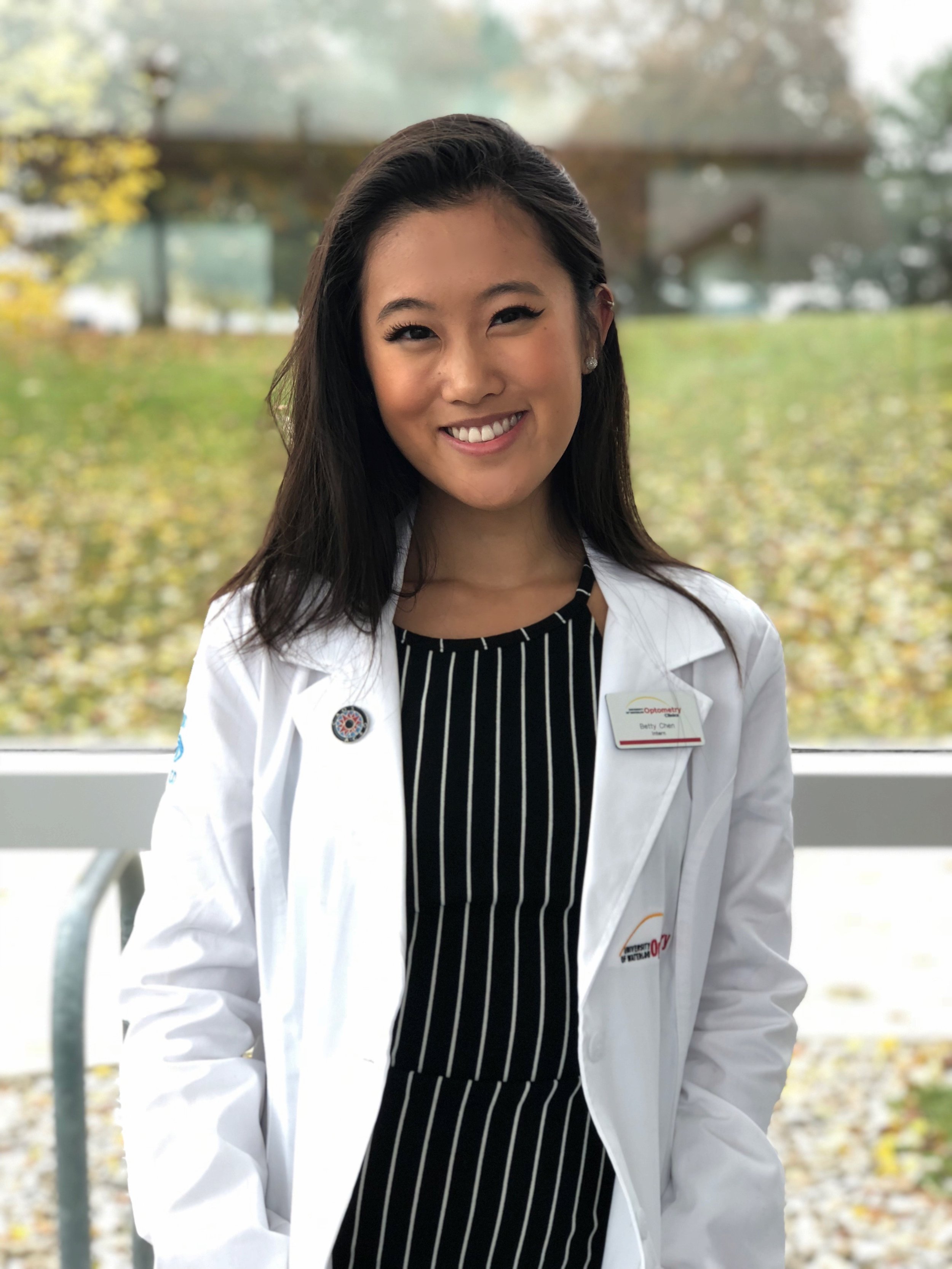
Dr. Su Shan (Betty) Chen grew up in Markham, Ontario and completed her undergraduate studies in Life Sciences at Queen’s University. She graduated from the University of Waterloo with Honours from the Doctor of Optometry program in 2022. Dr. Chen is accredited by the National Board of Examiners in Optometry (NBEO), as well as the Treatment and Management of Ocular Diseases (TMOD).
During her studies, she completed her disease rotation in Scarborough alongside retinal ophthalmologists. She was able to expand her clinical experience by performing ocular disease exams, post-op follow-ups, and observed intravitreal injections/laser procedures. Dr. Chen then completed her primary care rotation in Bolton where she was able to expand her clinical skills in binocular vision assessments, vision therapy, concussion assessments, and pediatric examinations. She participated in the VOSH volunteer optometric outreach trip in Zihuatenjo, Mexico and hopes to go on more trips in the future.
Dr. Chen provides comprehensive eye exams on Tuesdays, Thursdays, and Saturdays in midtown Toronto and Leslieville. On the other days of the week she does consultations for refractive surgeries as well as post-op follow ups for SMILE, LASIK, PRK, CXL, RLE, and cataract at Herzig Eye Institute in downtown Toronto. She has a special interest in the areas of myopia control, contact lenses, dry eyes, and refractive surgery co-management. When she’s not in clinic, she enjoys traveling, snowboarding, being a foodie, and exploring the great outdoors.
-
1137 Queen St E, Toronto, ON M4M 2Y7
-
Concourse 2300, Yonge St, Toronto, ON M4P 1E4 (located inside the Yonge-Eglinton Centre)
Locations
Philosophy of Care
You may have heard the saying that the eyes are the windows to the soul, but they can also reveal important insights into your overall health. The eyes can reveal early signs of systemic conditions such as diabetes, high blood pressure, autoimmune disease, and so on. They are also the only part of the body where blood vessels can be viewed directly and non-invasively, making a comprehensive eye examination an important part of preventive healthcare.
Traditionally, when most people think of an eye exam, they think of their glasses prescription. In reality, an eye examination involves much more than checking your prescription. My goal is to make eye care more approachable, engaging, and easy to understand. By bringing a fresh modern perspective to optometry, I hope to redefine the way that traditional eye exams are experienced and perceived, empowering patients of all ages to better understand and take an active role in their eye health.
Every appointment is designed to be thorough, personalized, efficient, and never rushed. I take the time to address your concerns, explain each step of the exam, so you can understand what we are assessing, why it matters, and what it means for your eye health. By combining compassionate care with current technology and evidence-based practices, I aim to provide the highest standard of care while building lasting relationships founded on trust and open communication.
I look forward to helping you see and feel your best for years to come!
Services
-
What is a comprehensive eye exam?
In addition to checking your prescription, the exam assesses the health of your eyes and can help with early detection of eye diseases before symptoms develop.
How often should I get an eye exam?
A comprehensive eye examination is recommended every 1-2 years to help maintain healthy vision and overall eye health.
Is my eye examination covered by OHIP?
Patients aged 19 and under are eligible for one OHIP-covered eye examination every 12 months.
Most adults between the ages of 20 and 64 are not covered for routine eye examinations. However, patients with certain eligible medical conditions affecting their eye health may receive one OHIP-covered examination every 12 months:
Diabetes
Glaucoma
Progressive keratoconus
Cataracts (must show a visual acuity of 20/40 or worse, or have an active surgical referral)
Retinal disease
Corneal disease
Active uveitis
Optic pathway disease
Sudden onset strabismus (eye turn)
Drug toxicity screening
Patients aged 65 and older are eligible for one OHIP-covered eye examination every 18 months. Those with certain eligible medical conditions may qualify for an examination every 12 months.
A valid Ontario health card is required for all OHIP-covered services!
-
Why is it important to get a proper contact lens fitting?
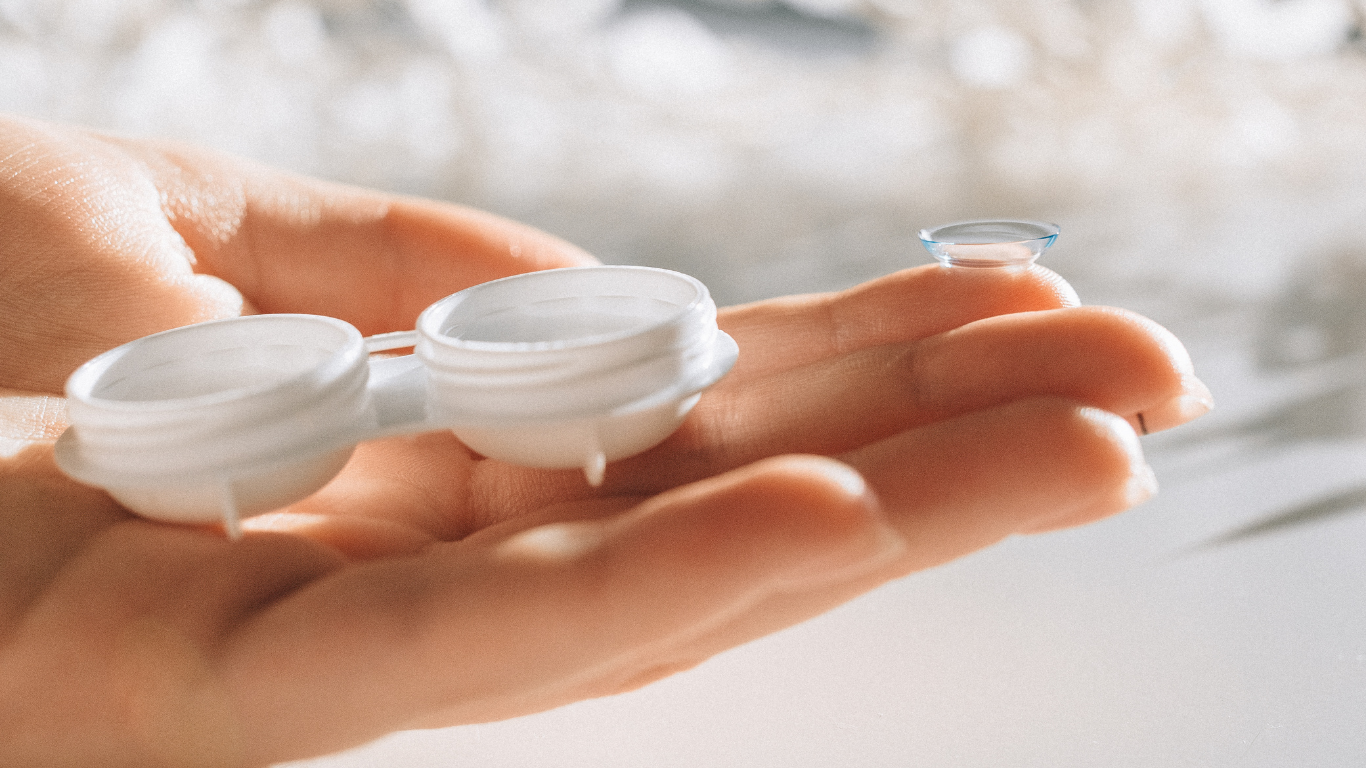
Every eye is shaped differently, which means a contact lens may fit and perform differently from one person to another. Contact lenses are not one-size-fits-all, and your glasses prescription does not always translate directly into a contact lens prescription — particularly if you have a higher prescription, astigmatism, or need help with both distance and near vision.
What are we checking in a contact lens fitting?
A proper contact lens fitting evaluates how the lens sits on the eye, as well as the comfort, clarity, and overall health of the eye while wearing it.
There is a variety of contact lenses available to accommodate a wide range of prescriptions and lifestyles. Different lens types, materials, and designs may be trialled to determine the best option for your individual needs. Dr. Chen is committed to offering current and innovative contact lens options to help patients achieve comfortable, clear, and healthy vision.
-
What is myopia control?
Myopia control is a personalized treatment approach designed to slow the progression of nearsightedness in children. Options may include specialized glasses, contact lenses, or prescription eye drops, with regular monitoring to help protect long-term eye health.
Why is it important to control myopia in children?
Myopia control is an essential part of caring for children with nearsightedness. Every parent should be informed about the available treatment options and given the opportunity to make an informed decision about their child’s vision and long-term eye health.
Myopia often worsens as the eye grows, causing the prescription to become stronger over time. Higher levels of myopia are associated with an increased lifetime risk of eye conditions such as retinal detachment, glaucoma, cataracts, and myopic macular degeneration.
Though we are unable to reverse an existing prescription, with myopia control we can slow down its progression and help protect the child’s long-term eye health.
-
Dr. Chen provides post-operative co-management of LASIK, SMILE, PRK, ICL, RLE, and cataract surgery patients. In addition to traditional comprehensive eye exams, she also practices at Herzig Eye Institute and is well trained in co-managing post-surgical recovery and complications.
-
Emergency eye exams assess sudden or concerning changes in your eyes or vision. Dr. Chen carefully assesses to determine the cause of your symptoms and whether treatment or a specialist referral is needed. Prompt assessment is important as some conditions can quickly progress and may lead to permanent vision loss if left untreated. Seeking care early can help relieve discomfort, prevent complications, and protect your long-term eye health.
What are some symptoms that warrant booking an emergency exam?
Some symptoms that warrant an emergency exam include but are not limited to: eye pain, redness, swelling, discharge, flashes or floaters, light sensitivity, injury, foreign body, new double vision, inability to look in a certain direction, or a sudden decrease in vision.
-
A children’s eye examination evaluates more than just how clearly a child can see. It includes assessing their prescription, eye alignment, focusing ability, depth perception, eye coordination, and overall eye health.
Why does my child need an eye exam if they seem to be seeing fine?
Children may not realize or communicate that they are having difficulty seeing, and some vision problems may not have obvious signs. Vision plays a major role in learning, reading, coordination, and development. Early detection and treatment can help support healthy visual development and prevent certain conditions from becoming more difficult to manage over time.
How early should I bring my child in for their first eye exam?
The Ontario Association of Optometrists recommends that every child have their first eye exam at 6 months of age to ensure proper vision development, again at 2 to 3, and subsequently every year thereafter.
-
Dry eye is becoming increasingly common, particularly with the growing use of digital devices. It can cause a variety of symptoms, including irritation, a gritty or foreign-body sensation, and fluctuating or blurry vision. This can impact everyday activities such as reading, driving, working on a computer, or wearing contact lenses. Having a personalized dry eye treatment plan can help relieve symptoms, protect the eye’s surface, and improve long-term visual comfort and quality of life.
Book appointment
Fill out the form to request an eye exam with me. Available Tuesdays, Thursdays, and limited Saturdays.
Please include the service you’re interested in along with your preferred date and time. I look forward to seeing you soon :)